Railway Terrace CO10 gardeners and garden services
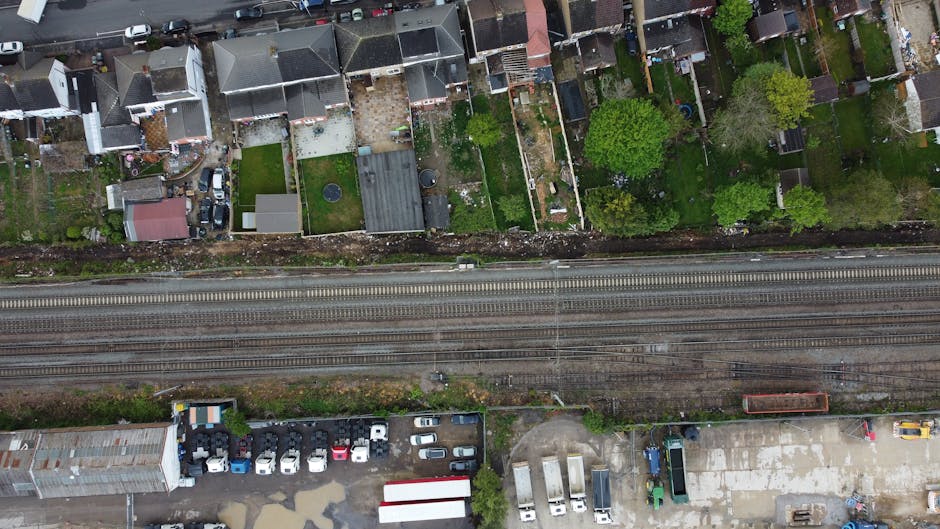
If you live on Railway Terrace or nearby in the CO10 area, finding reliable garden help can make a surprising difference to day-to-day life. A tidy lawn, a controlled hedge, and a cleared border are not just cosmetic wins; they change how a home feels the moment you step outside. Railway Terrace CO10 gardeners and garden services are often about that blend of practicality and calm: keeping things manageable, safe, and looking cared for without turning your weekends into a second job.
In this guide, you'll get a clear picture of what local garden services usually cover, how to choose the right help for your space, what results to expect, and where people most often go wrong. We'll also cover maintenance routines, service comparisons, and a simple checklist you can actually use. No fluff. Just useful advice for real gardens, real weather, and real schedules.
Why Railway Terrace CO10 gardeners and garden services Matters
Railway Terrace homes, like many residential streets in CO10, often need gardens that are kept neat but not overworked. Space can be limited. Boundaries may be close to paths or neighbouring properties. Access can be a bit tight. And in British weather, a garden can go from presentable to messy in what feels like two wet weekends. That's why the right garden service is less about "luxury" and more about staying on top of things before they get out of hand.
There's also the practical side. Overgrown hedges can block light, lawns can become patchy or slippery, and unwanted growth tends to creep into borders, patios, and fence lines. If you let it slide for a while, the job becomes heavier, more expensive, and frankly more annoying. A good gardener helps prevent that spiral.
For some households, the need is seasonal. For others, it's ongoing support because time is short, mobility is limited, or the garden simply has too many jobs for one person to handle. Either way, local garden services should feel like a steady hand, not a mystery package.
You'll often see people search for a mix of services rather than one single job. That's normal. A one-off tidy-up can lead into regular care, and regular care can be paired with bigger improvements later. If you are looking at broader support, the page on garden services overview is a sensible place to see how different jobs fit together.
How Railway Terrace CO10 gardeners and garden services Works
At a practical level, garden services usually begin with a look at the site, a conversation about priorities, and a clear idea of what "done" should look like. That sounds simple, but it's where the best outcomes are shaped. A lot of poor garden work comes from vague instructions. "Just tidy it up" can mean five different things to five different people.
In a typical arrangement, the process may include:
- an initial assessment of the garden size, access, condition, and problem areas
- discussion of whether you need one-off work or recurring maintenance
- agreement on the main tasks, such as mowing, trimming, clearance, or planting support
- a quote or estimate based on time, labour, equipment, and waste handling
- the work itself, followed by a tidy finish and any useful aftercare advice
For many Railway Terrace gardens, the most common jobs are routine mowing, hedge trimming, garden clearance, and general maintenance. Some properties need more than that. A tired patio edge, an awkward sloping section, or an old garden layout that no longer works may point towards landscaping or landscape gardening. In those cases, a more considered plan is better than a quick patch-up.
There's usually a rhythm to it. First the mess is reduced, then structure is restored, then the ongoing maintenance becomes easier. That order matters. If you try to do everything at once without clearing the clutter first, you end up fighting the garden instead of shaping it. Not fun.
Key Benefits and Practical Advantages
Good garden services are not just about appearance. Yes, a neat front or back garden makes a home look cared for. But the real benefits are more practical.
- Better control of growth: Regular attention keeps hedges, grass, and borders manageable.
- Safer outdoor spaces: Clear paths, trimmed edges, and reduced trip hazards make a garden easier to use.
- More usable space: When overgrowth is removed, patios, seating areas, and planting beds can breathe again.
- Less long-term stress: A maintained garden is far easier to keep on top of than a neglected one.
- Improved seasonal resilience: Well-managed gardens handle wet spells, dry spells, and storms better than neglected ones.
There's also a small but real emotional benefit. A tidy garden tends to invite use. You notice it in the morning with a cup of tea, or in the evening when the sun drops and the place feels quieter. A small space can still feel generous when it is looked after properly.
If your focus is ongoing upkeep, it may be worth exploring garden maintenance alongside more targeted services. And if the lawn is the main issue, lawn mowing is often the simplest way to create an immediate lift.
Who This Is For and When It Makes Sense
This kind of service suits a wide mix of people. To be fair, that's one reason local gardeners stay busy. A garden does not need to be huge to need proper care.
- Busy households: If work, school runs, or commuting takes the time you used to spend outdoors.
- Older residents: Regular help can reduce strain, avoid lifting, and keep the space safer.
- Landlords and property managers: A presentable outside space helps protect first impressions and reduce complaints.
- Homeowners preparing to sell: Small garden improvements can make a property feel better cared for.
- People with overgrown or neglected plots: Clearance and a reset are often the first sensible step.
It also makes sense when the work has become patchy. Perhaps the hedge gets cut now and then, but the lawn is left too long. Or the borders are technically planted, but weeds keep winning. That half-managed stage is where many gardens get stuck. A regular service can pull everything back into a healthy routine.
And if the garden is more of a problem than a pleasure right now, that's okay. Happens all the time. No shame in it.
Step-by-Step Guidance
If you want to approach garden services in a sensible way, use a simple process. It keeps the job clear and helps you compare options without getting distracted by vague promises.
- Walk the garden slowly. Notice what is truly bothering you: long grass, hedge height, weeds, debris, poor layout, or tired planting.
- Separate urgent work from nice-to-have work. Clearing a blocked path is more urgent than changing a border shape. Obvious, but easy to mix up.
- Think in terms of access and waste. Can equipment be brought in easily? Will green waste need to be removed? Is there enough space for working safely?
- Decide whether you need a one-off or regular visit. If growth is quick or time is short, routine maintenance is usually better value.
- Ask for a clear description of the service. Make sure the quote covers the tasks you want, not just the headline title.
- Agree what happens after the work. Will clippings be taken away? Will the area be left tidy? Will there be advice on keeping it under control?
- Review the result while it is fresh. Check edges, access paths, and any areas that needed special attention.
A small detail matters here: a gardener who asks good questions at the start often saves you hassle later. That's usually a good sign. If the conversation is rushed and everything sounds identical, you may want to pause.
Expert Tips for Better Results
In our experience, the gardens that stay in good shape are the ones where the basics are done consistently. Nothing glamorous. Just steady, unflashy care. Bit by bit.
- Start with edges. Borders, path lines, and lawn edges instantly change how tidy a garden feels.
- Don't cut too much at once. Heavy hedge reduction or aggressive lawn cutting can stress plants and leave the space looking worse before it improves.
- Let the garden breathe. Removing dead material and crowded growth improves airflow and light, which often helps the rest of the garden recover.
- Match the maintenance cycle to the season. Spring and early summer usually need more frequent attention than quieter periods.
- Keep a simple note of what changes. One line in a notebook or phone note can help you remember what worked, what didn't, and when the next visit should be.
Small example: a front garden that looks "fine" from the pavement can still benefit massively from a sharper hedge line and cleaner lawn finish. You may barely change the structure, yet the whole house looks more put together. Funny how that works.
If hedges are part of the problem, hedge trimming is one of the quickest ways to restore order. If the space needs more than maintenance, landscaping can help rework the layout so it fits real life better.
Common Mistakes to Avoid
Many garden jobs go wrong for boring reasons. The good news? Most of them are avoidable.
- Choosing only on price: Cheap can be fine. Cheapest without clarity? Less fine.
- Being vague about the outcome: "Tidy" is not enough if you need clippings removed, hedge height reduced, or a full clearance.
- Ignoring access issues: Narrow side passages, locked gates, or awkward storage can slow a job down.
- Leaving the work too long: A small trim is simpler than a full reset, every time.
- Forgetting maintenance after the tidy-up: A one-off improvement without follow-up often slides back faster than expected.
Another common mistake is asking for large changes before solving the basics. If a lawn is patchy, the borders are crowded, and the garden is full of debris, then a stylish redesign can wait. Clear it first. Shape it second. That order saves money and disappointment.
And yes, sometimes people do forget how fast weeds move. They are a bit rude like that.
Tools, Resources and Recommendations
You do not need to be a gardening expert to make informed decisions, but it helps to know what quality work usually involves. A good gardener will typically use tools suited to the task, keep equipment maintained, and choose methods that fit the plant and surface being worked on.
Here are some practical things worth asking about or looking for:
- Sharp cutting tools: Cleaner cuts are better for hedges and shrubs than ragged tearing.
- Proper lawn equipment: A mower suited to the grass condition and garden size makes a visible difference.
- Waste handling plan: Green waste should be collected, managed, or removed in a clear way.
- Weather awareness: In wet conditions, a careful gardener will avoid damaging soil structure or compacting soft ground.
- Safety basics: Gloves, eye protection, and sensible movement around tools and debris should be standard.
If you want to understand the wider service range before booking anything, the services overview is useful for seeing how garden care, clearance, and larger improvements fit together. For bigger overgrowth or reset jobs, garden clearance is often the most practical starting point.
Law, Compliance, Standards, or Best Practice
For garden work in the UK, the most important compliance point is simple: the work should be carried out safely and responsibly. That includes protecting people, property, and nearby boundaries. It also means being careful with waste, using equipment properly, and not damaging plants or structures unnecessarily.
If tree work is involved, especially larger pruning or removal, that is where caution really matters. Some tree tasks are straightforward; others are more technical and may involve risk to people or property if handled badly. For that reason, it is sensible to treat major tree work separately from ordinary hedge or lawn jobs. A specialist page such as tree lopping and removal is relevant when the issue goes beyond simple trimming.
Best practice also includes:
- clear communication before work begins
- respect for neighbouring properties and access points
- safe use of tools and machinery
- appropriate handling of green waste and recyclable material
- careful attention to site conditions, especially after rain or during windy weather
On the trust side, it is reasonable to look for transparent service information, clear pricing, and visible business policies. If you want to know more about the company's approach to safety and fair practice, these pages are relevant: insurance and safety, health and safety policy, recycling and sustainability, and terms and conditions.
Options, Methods, or Comparison Table
Different gardens need different approaches. Sometimes a quick refresh is enough. Sometimes the whole thing needs a reset. Here's a simple comparison to help you think it through.
| Service type | Best for | Typical outcome | Good to know |
|---|---|---|---|
| Regular garden maintenance | Ongoing control of grass, weeds, borders, and general tidiness | A garden that stays presentable with less effort | Best when you want consistency and fewer surprises |
| Lawn mowing | Lawns that need a neat, consistent finish | Cleaner lines, healthier-looking grass, improved kerb appeal | Works well as part of a wider maintenance plan |
| Hedge trimming | Overgrown or untidy boundaries, privacy screens, or shaped hedges | Sharper lines and better light access | Timing matters if birds are nesting or growth is soft |
| Garden clearance | Neglected gardens, end-of-tenancy resets, or post-storm mess | Space cleared and ready for ongoing care or redesign | Often the first step before anything else can happen |
| Landscaping / landscape gardening | Changing the layout, structure, or function of the garden | A more usable, better-shaped outdoor space | Worth considering if the garden no longer suits your routine |
If you are unsure which route to take, think about the condition of the garden today and what you want it to feel like in six months. That question alone usually cuts through a lot of noise.
Case Study or Real-World Example
Here's a straightforward example. A Railway Terrace homeowner has a small front garden with an uneven lawn, a hedge that has grown wider than intended, and a side area that has become cluttered with leaves and cuttings. Nothing dramatic. But the space feels messy, and it's starting to make the whole property look a bit tired.
The sensible approach would be:
- clear the side area first so access is easier
- trim the hedge back to restore shape and light
- mow and edge the lawn for a cleaner finish
- remove waste so the garden feels finished, not half done
- set a simple follow-up plan so the space does not drift back again
The result is not a dramatic makeover. It's better than that, actually. It becomes a space the homeowner can use without feeling they should apologise for it. The garden stops being a background worry. That matters more than people sometimes admit.
If you were going further, the next step might be a light redesign through landscape gardening, or a more defined outside living area with decking services. But often the best result starts with the basics.
Practical Checklist
Use this checklist before booking or reviewing any garden service. It keeps the process grounded.
- Do I know exactly which parts of the garden need attention?
- Have I decided whether this is a one-off job or regular support?
- Have I checked access, gates, paths, and any tight spaces?
- Do I know whether waste removal is included?
- Have I shared any concerns about fragile plants, fences, or surfaces?
- Is the quote clear about what is and is not included?
- Do I need mowing, trimming, clearance, or a broader redesign?
- Have I thought about how the garden will be kept tidy afterwards?
- Am I comfortable with the safety and trust information provided?
- Do I have a realistic picture of the finished result?
Quick summary: the best garden service is the one that solves the real problem, fits your space, and leaves you with a result you can maintain. Simple, but not always easy. Still, it is the right standard to aim for.
Conclusion
Railway Terrace CO10 gardeners and garden services are about more than keeping things neat. They help turn an outdoor space from a recurring headache into something useful, calm, and easy to live with. Whether you need a one-off clearance, seasonal trimming, routine maintenance, or a bigger landscaping plan, the key is choosing work that matches the actual condition of the garden.
Start with the basics. Be clear about what you want. Ask sensible questions. And do not underestimate the value of steady upkeep. A small garden, looked after well, can feel surprisingly generous. A neglected one? Well, we've all seen how quickly that can happen.
If you are ready to move from "I should really deal with this" to actual progress, take the next step and speak with a local specialist who can assess the space properly. Learn more about the team if you want a better sense of the people behind the service.
Get a free quote today and see how much you can save.
Frequently Asked Questions
What do Railway Terrace CO10 gardeners and garden services usually include?
Most local garden services cover mowing, hedge trimming, weeding, clearance, border tidying, and general upkeep. Some also handle larger improvements such as landscaping or decking, depending on what the garden needs.
How often should a garden in CO10 be maintained?
That depends on the size of the garden, how fast it grows, and how much you use it. Many people benefit from regular visits during the growing season, with lighter upkeep at other times. A gardener can help you work out a sensible pattern.
Is a one-off garden tidy-up worth it?
Yes, especially if the garden has been left for a while. A one-off tidy-up can remove the pressure, make the space usable again, and give you a clear starting point for ongoing care. It is often the least stressful way to reset things.
What is the difference between garden maintenance and garden clearance?
Garden maintenance is ongoing work to keep things under control, while garden clearance focuses on removing heavy growth, clutter, or neglect. If the space is overgrown or full of debris, clearance usually comes first.
How do I know whether I need landscaping instead of simple maintenance?
If the garden layout no longer works, if movement through the space is awkward, or if you want to change how the area functions, landscaping may be the better fit. Maintenance is about keeping what is already there in good shape.
Can gardeners help with small front gardens as well as bigger back gardens?
Absolutely. Small gardens often benefit the most because every edge, hedge line, and planting area is visible. In a compact space, neat work makes a big visual difference very quickly.
What should I ask before booking a garden service?
Ask what is included, whether waste is removed, how access will be handled, whether the quote is fixed or estimated, and what happens if the garden is in worse condition than expected. Clear questions lead to fewer misunderstandings.
Are hedge trimming and lawn mowing usually separate jobs?
They can be separate, but they are often booked together because both contribute to the overall look of the garden. If the hedge is blocking light or the lawn is becoming difficult to keep under control, combining the two can be sensible.
What if my garden has tree branches that need attention too?
Smaller pruning may be part of general garden care, but larger or riskier work should be treated carefully. For significant tree issues, it makes sense to look at a dedicated tree service rather than assuming every gardener should handle it the same way.
How important is waste removal after garden work?
Very important, really. A garden can look half-finished if clippings, branches, and debris are left behind. Good waste removal makes the whole job feel complete and prevents the same mess from becoming your next weekend task.
Can regular garden services help if I am preparing to sell a property?
Yes. A tidy, well-kept garden improves first impressions and helps the property feel cared for. You do not need a dramatic redesign; often the basics, done properly, are enough to make the outside space feel much stronger.
Where can I read more about service standards and payment details?
If you want to understand the company's approach to pricing, safety, and practical service information, the relevant pages are pricing and quotes and payment and security. For wider service information, the services overview is also useful.